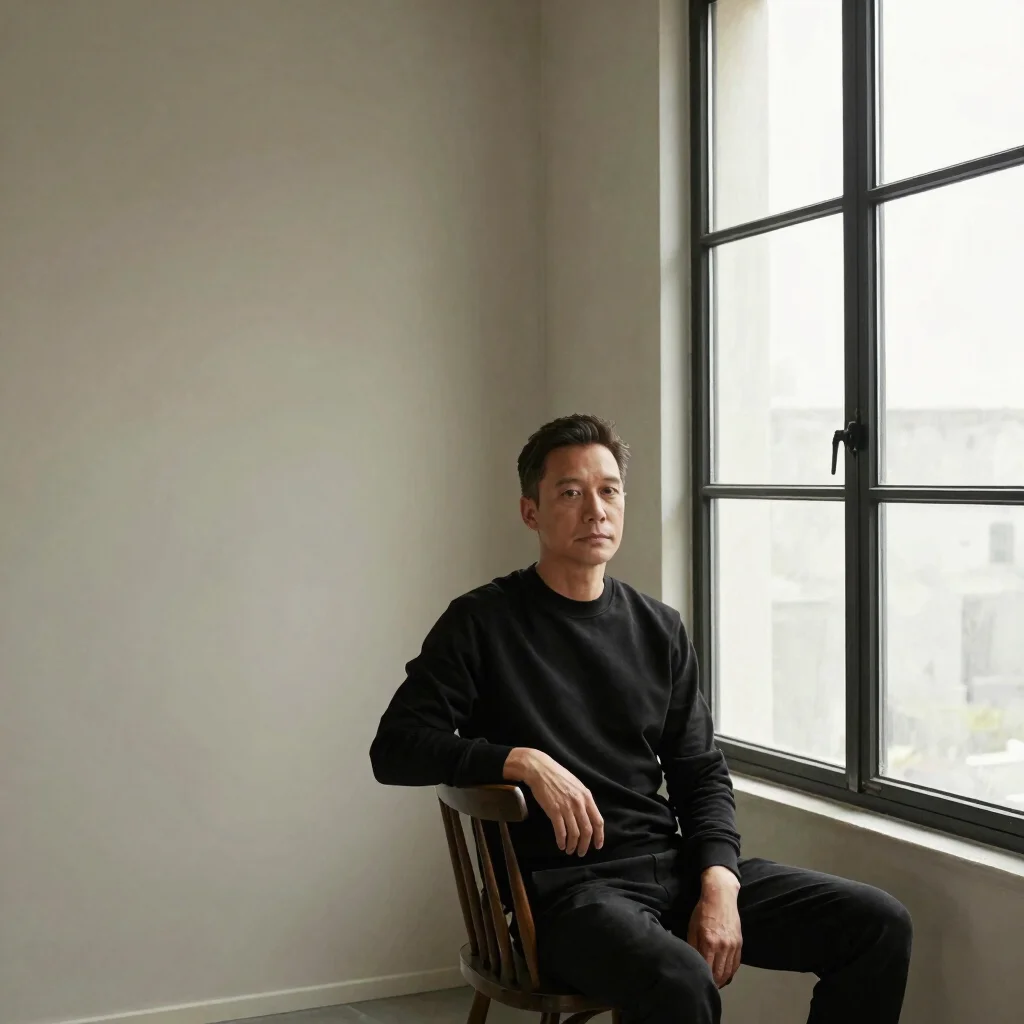
A famous face looks back from a magazine cover, and the first thing you notice may not be the face at all: a hand resting lightly on a chair, a shirt collar turned up, the pause before a smile. Portraits invite us to read these details as clues. The more interesting question is what they can—and cannot—tell us about the person in front of the camera.
The Details Around the Face
A portrait is a collaboration between a subject, a photographer, and the frame itself. Light can soften a familiar expression; a spare background can make a gesture feel unusually present. These choices shape the image, but they do not explain a life.
That distinction matters when a public figure is reduced to a single look. A direct gaze might read as confidence, reserve, or simple concentration, depending on what the viewer brings to it. Good editorial photography leaves room for that ambiguity instead of pretending a still image is a complete biography.
Beyond the Public Image
The best profiles use a portrait as an opening, not a verdict. They make space for a person’s work, habits, contradictions, and own account of what matters to them. The image may draw us in, but the reporting is what lets us move beyond a name in a caption.
Next time a portrait holds your attention, notice where your eye goes after the face. The folded sleeve or unguarded half-smile may be the detail you remember, but it is an invitation to look closer—not proof that you already know the person.